
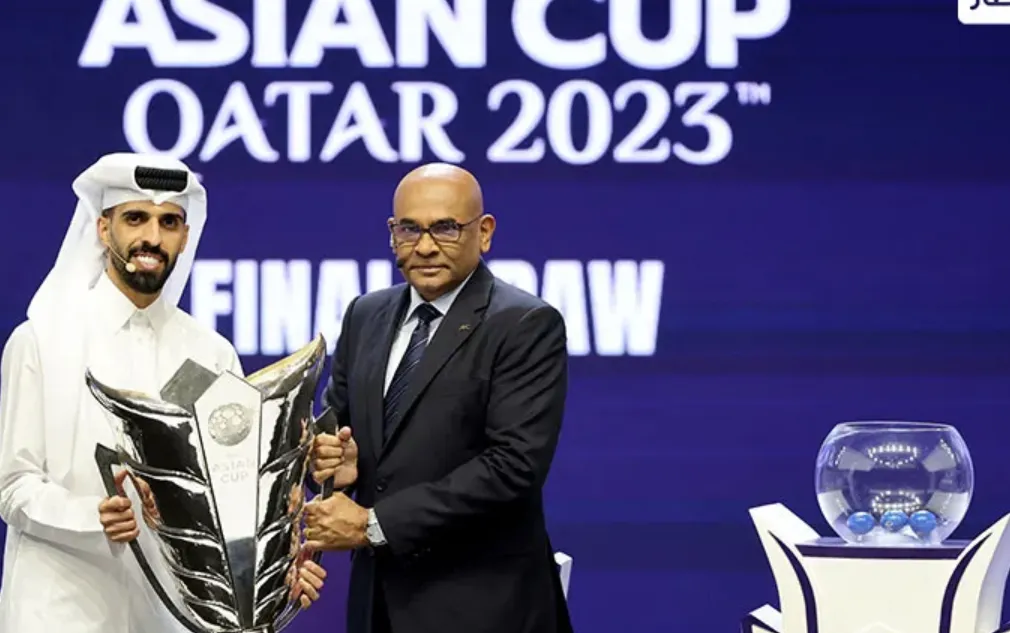
The AFC Asian Cup 2023, a tournament that captivated millions of football fans across the globe, concluded with a dramatic and historic finale. Host nation Qatar successfully defended their title, cementing their status as a dominant force in Asian football. This victory was not just a repeat performance; it was a statement of resilience, tactical evolution, and sheer determination. For fans looking to delve deeper into the strategies and standout moments that defined this prestigious competition, this analysis provides a detailed breakdown of the fixtures, schedules, and key performances.
The tournament, originally scheduled for 2023 but held in early 2024 in Qatar, showcased a high level of competition, with established powerhouses being challenged by rising teams. From the group stages to the nail-biting final, every match told a story. This article will break down the entire journey, highlighting the bracket, the key results, and the top players who made the event unforgettable. As you explore these insights, remember that platforms like Mostbet offer a unique perspective for fans to engage with the beautiful game, providing detailed match analyses and expert commentary that bring the action closer to home.
The Tournament Structure and Key Highlights
The AFC Asian Cup 2023 featured 24 teams competing in a group stage followed by a knockout round. The tournament began with six groups of four teams each, where the top two from each group, along with the four best third-placed teams, advanced to the Round of 16. This structure ensured a high-stakes environment from the very first match, leading to several surprising upsets and breathtaking encounters.
Group Stage Summary
The group stage set the stage for the drama to come. Qatar, as the host, were placed in Group A alongside China, Tajikistan, and Lebanon. They started strongly, securing two wins and a draw to top their group. Other pre-tournament favorites like Japan, South Korea, and Iran also navigated their groups with relative ease, though some faced sterner tests than expected. The group stage was particularly notable for the emergence of underdog teams like Tajikistan, who reached the quarterfinals for the first time in their history, and the consistent performances of Australia, who showcased their physicality and tactical discipline.
- Group A:Qatar (1st), Tajikistan (2nd)
- Group B:Australia (1st), Uzbekistan (2nd)
- Group C:Iran (1st), United Arab Emirates (2nd)
- Group D:Iraq (1st), Japan (2nd)
- Group E:Jordan (1st), South Korea (2nd)
- Group F:Saudi Arabia (1st), Thailand (2nd)
The performances in the group stage hinted at the evolving landscape of Asian football. Teams that previously relied solely on defensive solidity began to adopt more progressive, attacking styles, making the tournament unpredictable and highly entertaining.
The Knockout Stage: A Tale of Giants and Surprises
The knockout rounds served up a feast of football drama. The Round of 16 included some classic matches, with Iraq edging out a tense win against Saudi Arabia, and a high-scoring encounter between Jordan and Iraq. However, the most memorable game was perhaps the clash between South Korea and Saudi Arabia. After a 1-1 draw in regular time, the match went to a penalty shootout where South Korea’s resilience saw them through. This set up a series of quarterfinal ties that had fans on the edge of their seats.
The quarterfinals saw the real drama unfold. Iran faced a resilient Japan team in a clash that felt like a final. Iran’s physicality and set-piece prowess proved decisive as they won 2-1, ending Japan’s hopes of a fifth title. In another quarterfinal, Jordan continued their fairy-tale run by defeating South Korea 2-1, a result that shocked the football world. Meanwhile, Qatar continued their methodical progress, dispatching Uzbekistan 2-1, and Australia faced a tough battle against South Korea, only to be eliminated on penalties. The semifinals were set: Jordan vs. South Korea and Iran vs. Qatar, with both matches promising to be classics.
The Final Showdown: Qatar vs. Jordan
The final of the AFC Asian Cup 2023 was a fitting conclusion to a tournament filled with twists and turns. Qatar, the defending champions, faced Jordan, the tournament’s biggest surprise. Jordan had been sensational, playing with flair and an attacking mindset that had earned them many admirers. The match was expected to be a close contest, and it did not disappoint.
First Half: A Cautious Start
The opening 45 minutes were a tactical battle. Both teams were well-organized, with Jordan pressing high and Qatar looking to play through the midfield. The first half was largely even, with both sides creating half-chances. However, it was Qatar who drew first blood. A moment of defensive lapse from the Jordanian backline allowed Akram Afif to pounce, drawing a foul for a penalty in the 22nd minute. Afif stepped up and calmly slotted the ball home, giving Qatar a 1-0 lead. Jordan responded well, pushing for an equalizer, but the Qatar defense held firm.
Second Half: Drama and Controversy
The second half saw Jordan come out with renewed vigor. They dominated possession and created several dangerous opportunities. Their pressure finally paid off in the 67th minute when Yazan Al-Naimat scored a stunning equalizer, firing a shot from the edge of the box into the top corner. The stadium erupted as the underdogs had clawed their way back. For a moment, it looked like Jordan’s momentum would carry them to victory. However, Qatar’s experience and composure came to the fore.
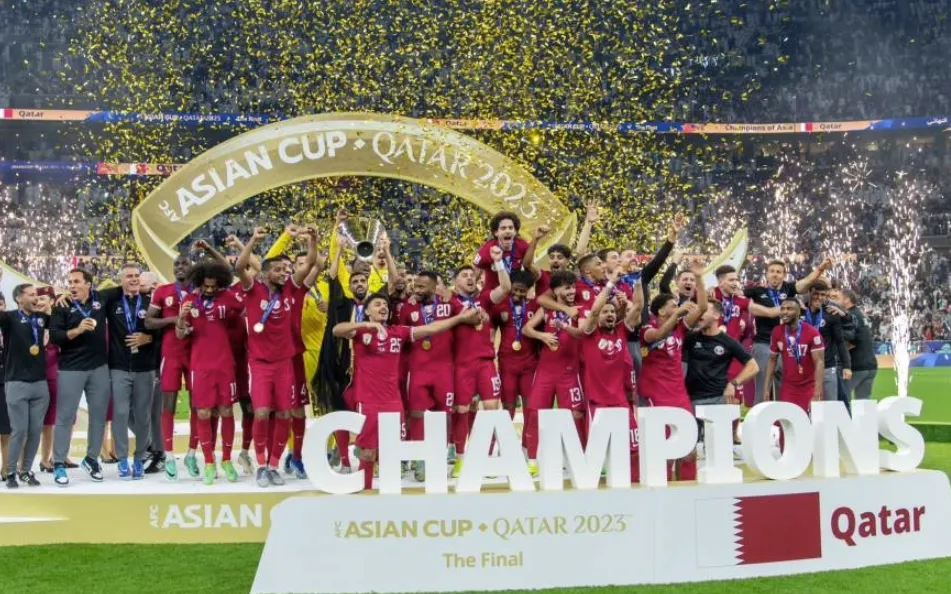
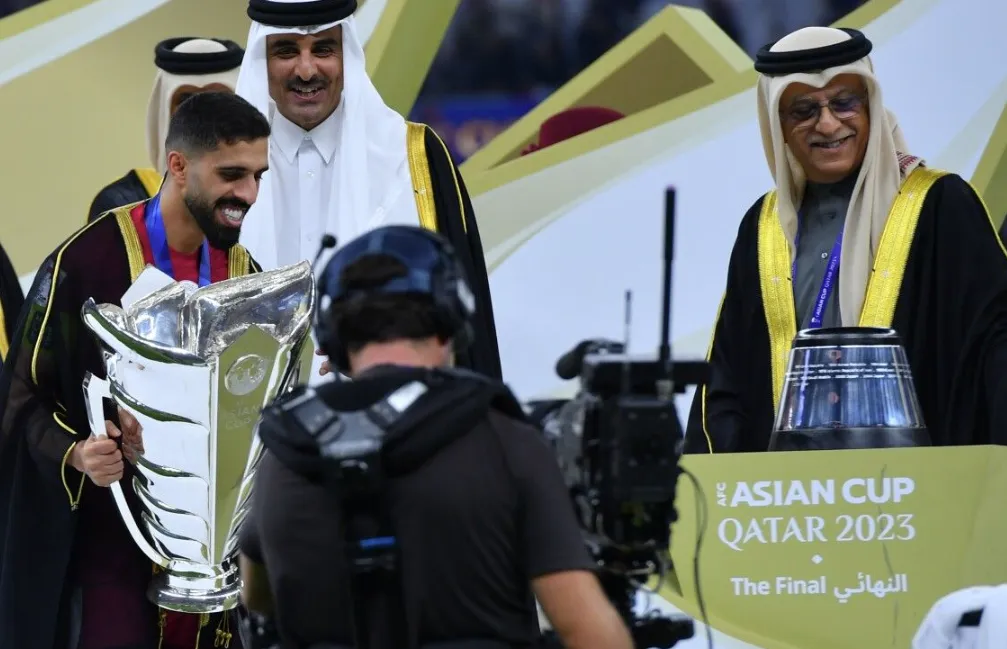
The turning point came in the 73rd minute. A fantastic run from Akram Afif saw him brought down inside the box once again. The referee pointed to the spot for the second time. Afif, showing nerves of steel, converted again to restore Qatar’s lead. Jordan pushed forward desperately in search of another equalizer, leaving spaces at the back. In stoppage time, Afif completed his hat-trick from the penalty spot, securing a 3-1 victory for the hosts. It was a historic win, making Qatar the first team to successfully defend the Asian Cup title since Japan in 2004.
Man of the Moment: Akram Afif
Akram Afif was undoubtedly the star of the tournament. His pace, trickery, and finishing ability made him a constant threat. The hat-trick in the final was the crowning achievement of a stellar campaign. He finished as the tournament’s top scorer and was named the Most Valuable Player. His performance was a masterclass in handling pressure, especially from the penalty spot. Afif’s contribution was not just in goals but also in his leadership and ability to create space for his teammates. He has now etched his name into Asian football folklore.
Tactical Analysis: How Qatar Defended Their Title
Qatar’s journey to the final was a testament to their tactical flexibility and team unity. Under the guidance of coach Luis Garcia Plaza, they evolved from a counter-attacking side into a team that could control possession and break down stubborn defenses. Their success was built on three key pillars: defensive solidity, midfield control, and the brilliance of their front three.
Defensive Organization
The Qatari defense was the foundation of their success. They conceded only three goals throughout the tournament, the best defensive record. The center-back pairing of Tarek Salman and Bassam Al-Rawi was outstanding, providing a perfect blend of physical strength and reading of the game. They were well-protected by the midfield, who tracked back diligently and covered spaces. This defensive solidity allowed the attacking players to express themselves without fear.
Midfield Engine
The midfield trio of Abdelkarim Hassan, Mohammed Waad, and Jassem Gaber was the engine room of the team. They worked tirelessly, winning back possession and distributing the ball effectively. Hassan, in particular, was a powerhouse, driving forward with the ball and creating chances. Their work rate and discipline were crucial in controlling the tempo of games, especially in the knockout stages. The ability to transition quickly from defense to attack was a hallmark of their game.
Attacking Prowess
The attacking three of Afif, Almoez Ali, and Hassan Al-Haydos were a constant nightmare for defenses. Afif’s trickery on the wing, Ali’s physical presence in the box, and Al-Haydos’s creativity created a multi-faceted attack. Their understanding on the pitch was telepathic, often combining in quick one-touch passing moves that tore apart defensive lines. The ability to score from set pieces, open play, and penalties made them the most dangerous attack in the tournament. According to former Asian Cup champion and analyst, Dr. Michael Rivers, “Qatar’s success was not a fluke. It was the culmination of a decade-long plan to build a world-class football program. Their tactical discipline and the brilliance of players like Afif showed that they are now a force to be reckoned with on the global stage.”
The Key to Victory: Penalty Converting Under Pressure
One of the most astonishing statistics from the tournament finals was Qatar’s ability to win three penalties and convert all of them. This speaks volumes about their composure in high-pressure moments. Akram Afif’s technique and mental strength from the spot were exemplary. This moment highlighted how critical psychological preparation is in modern football. The players’ ability to stay calm and execute their skills under immense pressure was the defining difference in the final.
Legacy and Future Implications
The AFC Asian Cup 2023 has redefined the landscape of Asian football. Qatar’s successful title defense has shown that sustained investment in youth development and tactical coaching pays dividends. The tournament also highlighted the rise of teams like Jordan and Tajikistan, proving that the gap between traditional powerhouses and emerging nations is closing rapidly. This bodes well for the global competitiveness of Asian football.
- For Qatar:This victory cements their place as a leading football nation in Asia. They have now qualified for the 2026 FIFA World Cup and will look to challenge on the world stage. The tournament also showcased their ability to host major sporting events, with stadiums and infrastructure in place for future competitions.
- For Japan and South Korea:This was a setback for two of the continent’s traditional giants. Their early exits serve as a wake-up call, emphasizing the need to adapt to new tactical trends and counter the physicality of emerging teams.
- For Jordan and Tajikistan:Their performances will be remembered as inspiring underdog stories. These runs have increased the popularity of football in their home nations and will attract more investment in their domestic leagues.
A Platform for Future Stars
The tournament also served as a platform for the emergence of future stars. Players like Akram Afif, Yazan Al-Naimat, and Iran’s Mehdi Taremi have seen their stock rise exponentially. For Asian clubs, this means a potential exodus of talent to top European leagues, further enhancing the quality of the region’s national teams. The AFC Asian Cup has proven that it is not just a competition; it is a launchpad for careers that will shape the future of football.
Conclusion
The AFC Asian Cup 2023: Qatar’s Triumph and the Road to Glory will be remembered as one of the most thrilling editions of the tournament. Qatar’s perfect blend of tactical discipline, defensive resilience, and attacking brilliance was a joy to watch. The journey of every team, from the group stages to the final, was filled with moments of high drama and beautiful football. For fans and analysts, this tournament provided a rich tapestry of stories, from Afif’s hat-trick in the final to the shock victories that captivated the world.
As you reflect on the excitement of the AFC Asian Cup 2023, we invite you to continue exploring the world of football analytics. What were your favorite moments from the tournament? How do you see the future of Asian football evolving? Share your thoughts in the comments below, and don’t forget to share this article with fellow football fans. For more in-depth analysis and exclusive content, be sure to visit Mostbet, your go-to source for comprehensive sports coverage and expert opinions that keep you ahead of the game.
