
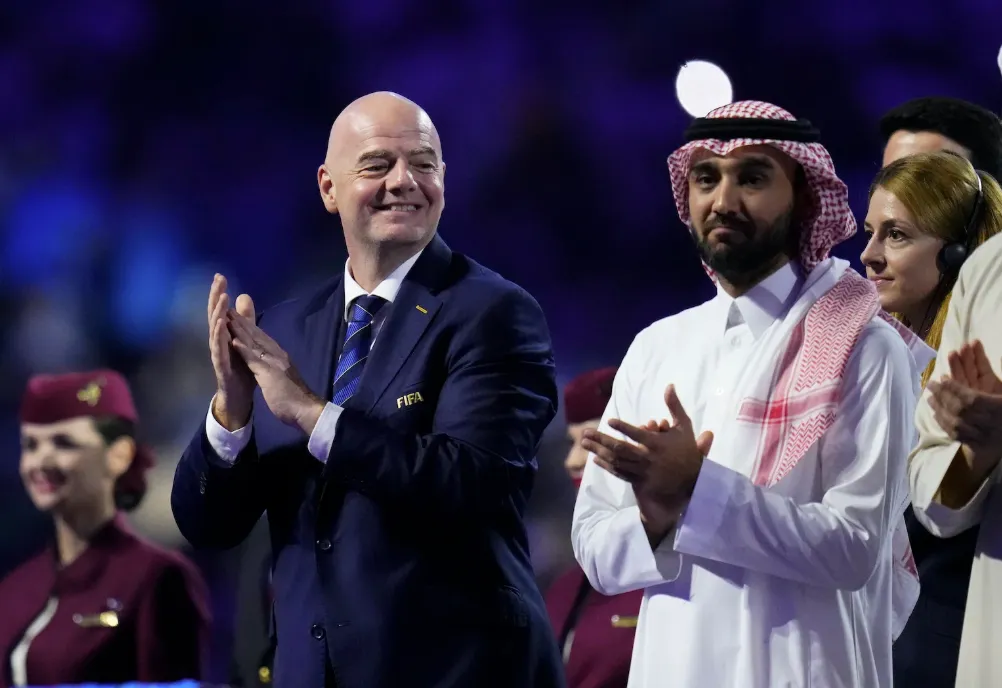
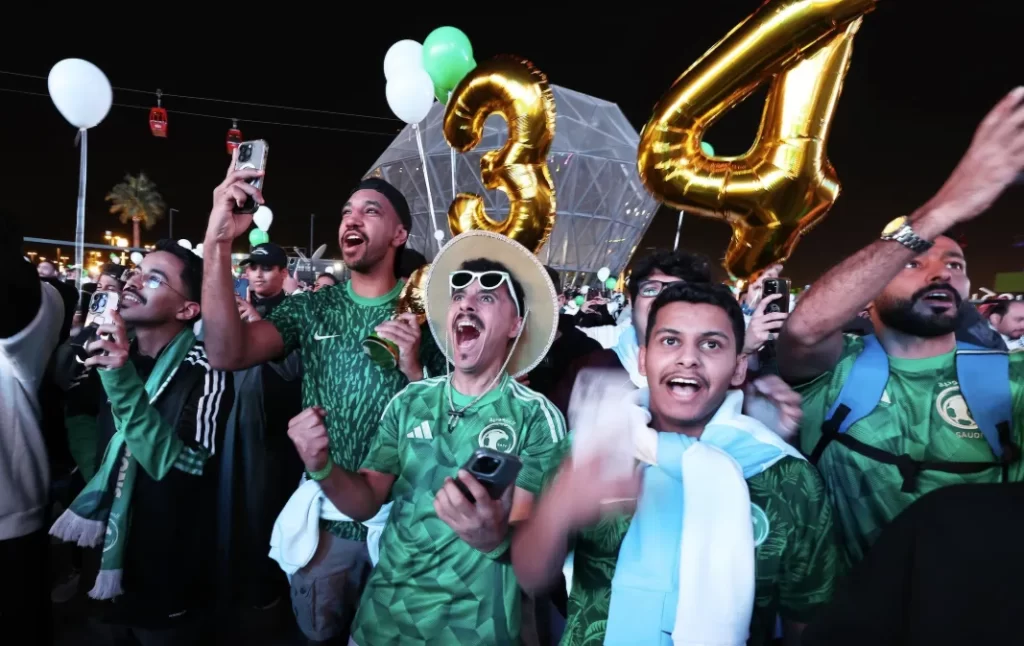
In a historic announcement that reshapes the future of global football, FIFA has officially confirmed Saudi Arabia as the host nation for the 2034 FIFA World Cup, while simultaneously approving an unprecedented six-nation hosting arrangement for the 2030 tournament. This dual decision marks one of the most significant transformations in World Cup history, bringing the sport to new territories and establishing a new precedent for collaborative hosting. Football enthusiasts and analysts alike are now examining what these changes mean for the beautiful game’s evolution, with experts suggesting this could fundamentally alter how major tournaments are organized in the coming decades.
The 2034 World Cup Heads to Saudi Arabia
A Historic First for the Middle East
Saudi Arabia’s successful bid to host the 2034 FIFA World Cup represents the second time a Middle Eastern nation will stage football’s premier event, following Qatar’s widely discussed 2022 tournament. The Kingdom’s ambitious Vision 2030 program, which aims to diversify the country’s economy and boost its international profile, has been a driving force behind this successful campaign. Sports marketing analyst Dr. James Richardson from the University of London notes, “Saudi Arabia’s investment in football has been extraordinary, from acquiring top international players for domestic clubs to building state-of-the-art stadiums. The World Cup bid is the culmination of years of strategic planning.”
Infrastructure and Investment Plans
The Saudi Arabian Football Federation has outlined comprehensive plans for the tournament, including the construction of 15 new stadiums across five host cities. Riyadh, Jeddah, and the futuristic NEOM development are expected to serve as primary venues, with matches potentially taking place during the winter months to avoid extreme summer temperatures. The total investment in infrastructure, transportation, and hospitality is estimated to exceed $50 billion, making it one of the most expensive World Cup preparations in history. Former England international and football pundit Gary Neville commented on Mostbet‘s analysis platform, “The scale of what Saudi Arabia is proposing is unprecedented. They’re not just building stadiums; they’re creating entire cities around football.”
The 2030 World Cup: Six Nations, Three Continents
A Tournament for the Century
The 2030 FIFA World Cup will be a truly global celebration, with matches spread across six host nations: Spain, Portugal, Morocco, Argentina, Uruguay, and Paraguay. This landmark decision commemorates the tournament’s 100th anniversary, with the opening match scheduled to take place in Montevideo, Uruguay—where the very first World Cup was held in 1930. The centenary celebration will honor football’s rich history while showcasing the sport’s global reach, creating a logistical challenge that FIFA believes will be worth the complexity.
How the Hosting Will Work
The six hosts will be divided into two primary groups: Spain, Portugal, and Morocco will serve as the main hosts for the majority of matches, while Argentina, Uruguay, and Paraguay will host select games, particularly during the early stages. This arrangement ensures that South America, the birthplace of the World Cup, plays a significant role in the centenary celebration.
| Host Nation | Role | Estimated Matches |
| Spain | Primary Host | 25-30 matches |
| Portugal | Primary Host | 10-15 matches |
| Morocco | Primary Host | 15-20 matches |
| Argentina | Anniversary Host | 5-8 matches |
| Uruguay | Opening Match Host | 3-5 matches |
| Paraguay | Group Stage Host | 3-5 matches |
Logistical and Political Implications
Football logistics expert Maria Fernandez explains, “Coordinating six nations across three continents presents enormous challenges—time zones, travel distances, and differing infrastructure standards must all be managed meticulously. However, FIFA has shown with the 2026 North American bid that multi-nation tournaments are feasible.” Critics have raised concerns about the environmental impact of long-distance travel for teams and fans, while supporters argue that the diverse cultural experiences will enrich the tournament experience.

Expert Analysis: What These Decisions Mean for Football
Economic and Commercial Impact
The dual hosting announcements have already triggered significant economic activity, with construction contracts being awarded and tourism sectors preparing for unprecedented demand. Sports economist Professor David Thompson from Oxford University predicts, “The 2030 and 2034 World Cups will generate combined revenues exceeding $20 billion for host nations. For Saudi Arabia specifically, the tournament represents a cornerstone of their post-oil economic strategy.” Brands and sponsors are reassessing their marketing strategies, with many expected to increase their presence in Middle Eastern and North African markets.
Player Welfare and Scheduling Concerns
Footballers’ unions have expressed concerns about tournament scheduling, particularly for the 2034 World Cup in Saudi Arabia. The intense summer heat in the region may force a winter tournament, potentially disrupting domestic leagues worldwide. FIFPro, the global players’ union, has called for extensive consultation with stakeholders to ensure player welfare remains a priority. When discussing this on Mostbet, former Chelsea midfielder John Obi Mikel stated, “Players need adequate rest periods, especially after a grueling club season. FIFA must work with leagues to create a schedule that protects athletes’ health.”
Comparing Hosting Models: Single Nation vs. Multi-Nation
Advantages of Single-Nation Hosting
Single-nation hosting, like Saudi Arabia’s 2034 bid, offers logistical simplicity and concentrated investment. A single national organizing committee can coordinate all aspects efficiently, and fans benefit from centralized infrastructure. The 2022 Qatar World Cup demonstrated how a compact tournament can minimize travel time between venues, potentially reducing fan fatigue and environmental impact. However, this model also concentrates risk—any challenges in infrastructure or security affect the entire tournament.
Benefits of Multi-Nation Collaboration
The six-nation 2030 model spreads financial burdens across multiple economies and showcases diverse cultures within one tournament. It allows smaller nations like Uruguay and Paraguay to participate in hosting without bearing the full infrastructure costs. However, critics point to coordination challenges, varying legal frameworks, and potential disparities in fan experience between host nations. Travel between matches could become expensive and time-consuming for supporters who wish to follow their teams across multiple host countries.
Looking Ahead: The Future of World Cup Hosting
Potential New Bidders for Future Tournaments
The success of the 2030 and 2034 bids is expected to encourage more nations to pursue future World Cup hosting rights. Countries such as Indonesia, India, and a combined UK-Ireland bid are already being mentioned as potential contenders for 2038 and beyond. The expansion to 48 teams for the 2026 tournament also means larger infrastructure requirements, making collaborative bids more attractive for smaller nations. Football administrators believe this trend toward multi-nation hosting will continue, potentially leading to tournaments spanning entire continents.
Environmental and Sustainability Considerations
Both the 2030 and 2034 tournaments face pressure to demonstrate environmental responsibility. FIFA has committed to carbon-neutral tournaments, requiring host nations to implement sustainable practices in stadium construction, transportation, and waste management. Saudi Arabia has pledged to use renewable energy for all tournament operations, while the 2030 hosts are exploring high-speed rail connections between major venues. Environmental groups remain skeptical, arguing that the carbon footprint of global fans traveling to matches cannot be fully offset.
Conclusion: FIFA World Cup Saudi Arabia Host 2034 Six Hosts 2030 – A New Era Dawns
The FIFA World Cup Saudi Arabia host 2034 and the six hosts 2030 announcements represent a watershed moment in football history, demonstrating the sport’s ability to adapt and expand into new territories. These decisions reflect FIFA’s strategic vision to globalize the game while honoring its traditions through the centenary celebration. As preparations begin in earnest across eight nations, football fans worldwide can look forward to witnessing tournaments that break geographical boundaries and cultural barriers. The next decade promises to be the most transformative period in World Cup history, with each tournament setting new standards for what international football can achieve. We invite you to share your thoughts on these historic hosting announcements in the comments below—do you prefer single-nation tournaments or collaborative multi-host events? Don’t forget to share this analysis with fellow football enthusiasts and explore more in-depth coverage on our website.
