

The race for World Cup glory has always been fraught with challenges, but a new and formidable obstacle has emerged on England’s path to lifting the trophy. According to recent warnings from the Football Association (FA), the packed domestic fixture schedule is not just a nuisance—it’s a serious threat to the national team’s chances of success. As the Three Lions prepare for their next major tournament, the conversation is shifting from tactics and talent to fatigue and recovery.
In a revealing statement, the FA has highlighted that the relentless congestion of matches in the Premier League and other domestic competitions is leaving players physically and mentally drained before they even step onto the international stage. This issue, long discussed in hushed tones among coaches and medical staff, is now being brought into the spotlight. For fans and analysts alike, the question becomes: how can England’s golden generation fulfill their potential if they are running on empty?
The Root Cause: A Calendar Overloaded with Matches
Why Domestic Fixtures Are the Culprit
The modern football calendar is a beast of its own making. With the expansion of the Premier League, domestic cup competitions, and lucrative European tournaments, top players are now expected to play upwards of 50 to 60 games per season. For English stars like Harry Kane, Jude Bellingham, and Bukayo Saka, this means little to no respite between August and May.
The FA’s concern stems from the lack of a mid-season break, a concept that has been successfully implemented in other top footballing nations like Germany and Spain. In England, the festive period alone forces players to compete in multiple matches within a week, often at the cost of their physical integrity. This relentless pace, the FA argues, directly hampers the squad’s ability to peak during international tournaments, which usually occur at the end of a grueling domestic campaign.
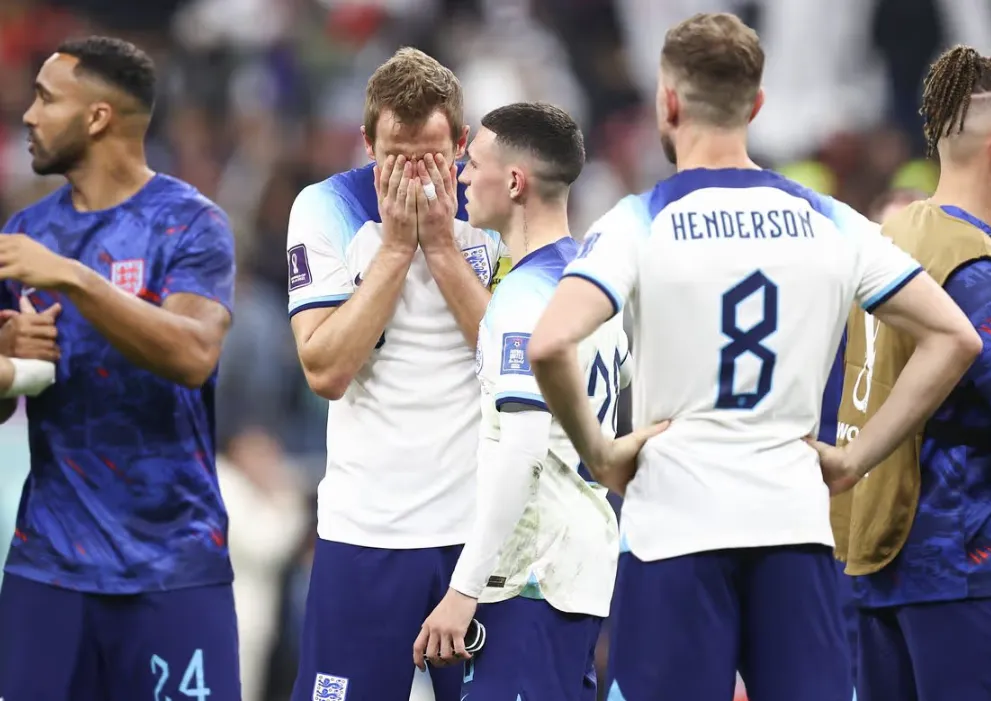
Impact on International Duty
When international breaks arrive, the England coaching staff is often faced with a squad that is either recovering from injuries or battling chronic fatigue. This isn’t just a physical issue—it’s psychological too. Players who have been pushed to their limits in club football may lack the sharpness and focus required to perform at the highest level on the world stage.
As sports analyst James Cartwright, a former Premier League fitness coach, explains: “The data is clear. Muscular injuries spike in the second half of the season for players who have had high-minute loads. For England to succeed, they need fresh legs and sharp minds, but the current system ensures neither.”
The Consequences for England’s World Cup Hopes
A History of Coming Up Short
England’s recent tournament history has been marked by moments of brilliance—a run to the World Cup semi-finals in 2018 and a near-miss in the Euro 2020 final—but also by heartbreaking exits. While penalty shootouts and tactical errors often get the blame, the underlying issue of player fatigue cannot be ignored. In several key matches, England has appeared sluggish in the second half, losing control of games they once dominated.

With the next World Cup on the horizon, the FA’s warning suggests that unless fixture congestion is addressed, the team may struggle to replicate even those near-successes. As reported by Mostbet, the national team’s preparation is increasingly compromised by a system that prioritizes commercial gain over player welfare.
Comparisons to Other Nations
Look no further than France and Argentina, recent World Cup winners who have managed to balance their domestic calendars with international success. Both nations enforce mandatory winter breaks, allowing players to recharge. England, by contrast, treats its players like marathon runners who are forced to sprint the entire distance. The FA’s call for change is not just about complaining—it’s about demanding parity.
What Can Be Done? Solutions on the Table
Proposals for a Lighter Calendar
The FA has floated several solutions, including reducing the number of Premier League teams from 20 to 18, abolishing replays in the FA Cup, and implementing a formal winter break. While these proposals face fierce opposition from broadcasters and club owners, player welfare advocates argue they are essential for the health of the game.
Role of Clubs and Managers
Club managers like Pep Guardiola and Jurgen Klopp have often criticized the fixture list, but their voices are only now being heard at the highest level. In an ideal world, a collaborative effort between the FA, Premier League, and EFL could create a schedule that protects star players without harming the domestic product. However, as Mostbet notes, the financial incentives often overshadow the sporting logic.
A Call for Modernization
The World Cup remains the pinnacle of football, and England must adapt to keep up. This means investing in sports science, using rotation strategies more effectively, and ultimately, forcing a change in the structure of the season. If England is serious about winning, they can no longer afford to ignore the warning signs.
Looking Ahead: The Path to Redemption
The road to World Cup glory is never easy, but for England, the internal battle may be just as challenging as the external one. The FA’s warning serves as a crucial reminder that success requires more than just talent—it requires a system that nurtures and preserves that talent.
As the Three Lions prepare for their next competitive fixtures, fans and pundits alike will be watching closely. Can the squad overcome the fixture congestion to bring football home? Or will fatigue once again prove to be the ultimate opponent? Only time will tell, but one thing is certain: the conversation has started, and the football world is listening.
What are your thoughts on England’s chances? Do you believe fixture congestion is the biggest threat to their World Cup hopes? Share your opinions in the comments below, and don’t forget to explore more football insights on our website. Together, let’s keep the spirit of the beautiful game alive.
