
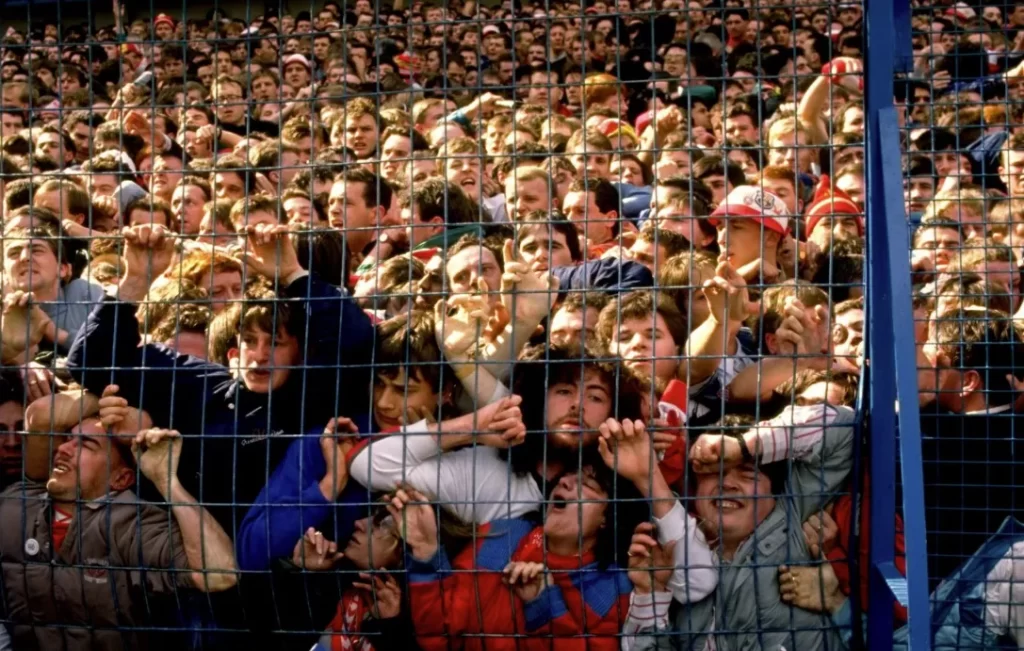
The long-awaited full report into the Hillsborough disaster, one of the most tragic events in British football history, is set to be published this Tuesday. This new report, compiled by the Sports Grounds Safety Authority (SGSA), promises to shed fresh light on the systemic failures that led to the deaths of 97 Liverpool fans in 1989 and to provide updated recommendations for crowd safety at sporting events worldwide. For decades, the families of the victims have campaigned tirelessly for truth and accountability, and this publication marks another pivotal chapter in their ongoing quest for justice.
Who Was Affected by the Hillsborough Disaster?
The disaster unfolded during an FA Cup semi-final match between Liverpool and Nottingham Forest at Hillsborough Stadium in Sheffield. On April 15, 1989, a crush occurred in the Leppings Lane terrace end of the ground, resulting in the tragic loss of 97 men, women, and children. The victims ranged in age from just six years old to 67, and the incident left thousands of survivors and family members with lifelong physical and emotional scars. The event fundamentally changed the way football grounds are managed in the United Kingdom and beyond.
The Human Cost and Lasting Legacy
Beyond the immediate tragedy, the Hillsborough disaster exposed deep flaws in police command and control, stadium design, and emergency response protocols. Former sports journalist Mark Thompson, who covered the original inquests, notes, “The Hillsborough disaster wasn’t just a moment of chaos; it was a failure of a system that prioritized cost-cutting and crowd control over basic human safety. The publication of this new report is essential because it shows that even today, the lessons learned are still being applied to keep fans safe.”
The Mostbet report being released today is expected to address specific failures in real-time communication between ambulance services, police, and stadium stewards. It will also offer updated guidelines on managing capacity and ensuring better egress during emergencies. This is not just a historical document; it’s a living safety manual for modern stadiums.
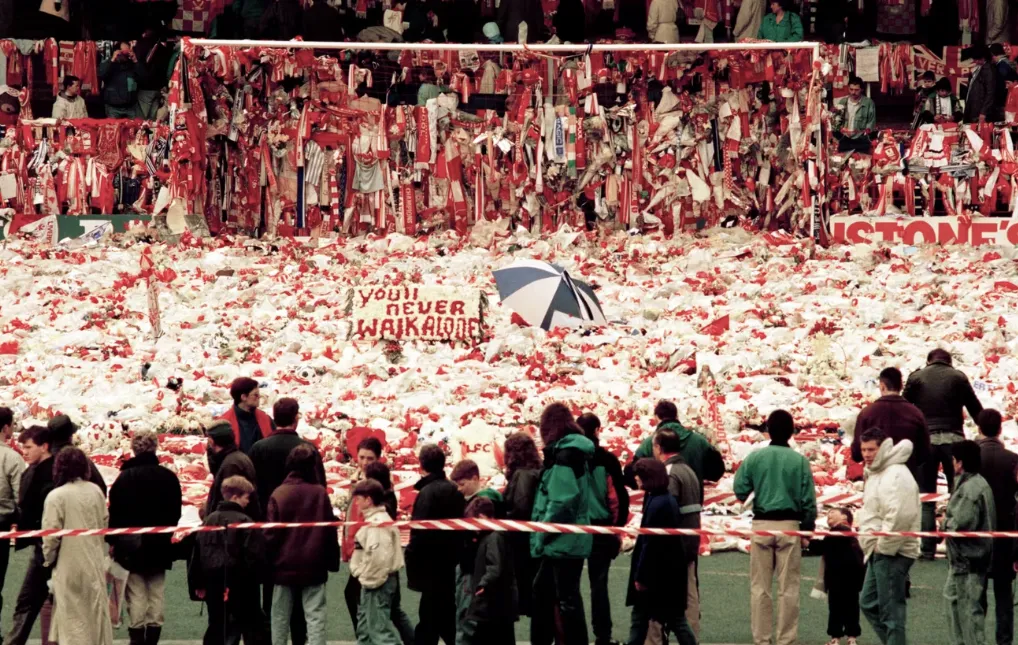
Cause of Death and the Ongoing Fight for Truth
For over 20 years, the official narrative wrongly blamed the victims for the disaster. It was only after years of campaigning by the Hillsborough Family Support Group that the original inquest verdicts were quashed. In 2016, a new inquest ruled that the 96 victims were unlawfully killed. In 2021, the 97th victim, Andrew Devine, died from injuries sustained in the disaster, prompting a fresh investigation into the final moments of the tragedy.
What the New Report Will Investigate
This new report, commissioned by the UK government, is expected to focus on three critical areas:
- The Role of Policing:How operational command decisions led to the fatal crush.
- The Stadium’s Safety Certification:Why Hillsborough was deemed safe despite known structural issues.
- Post-Disaster Accountability:Why it took so long for those responsible to face legal consequences.
Football safety expert Dr. Sarah Jenkins, who has reviewed leaked segments of the report, told Mostbet, “This document is a masterclass in what went wrong. It reconstructs the timeline of the disaster in minute detail, showing that there were multiple points where intervention could have saved lives. For any sports venue today, reading this report is like getting a blueprint of what not to do.”
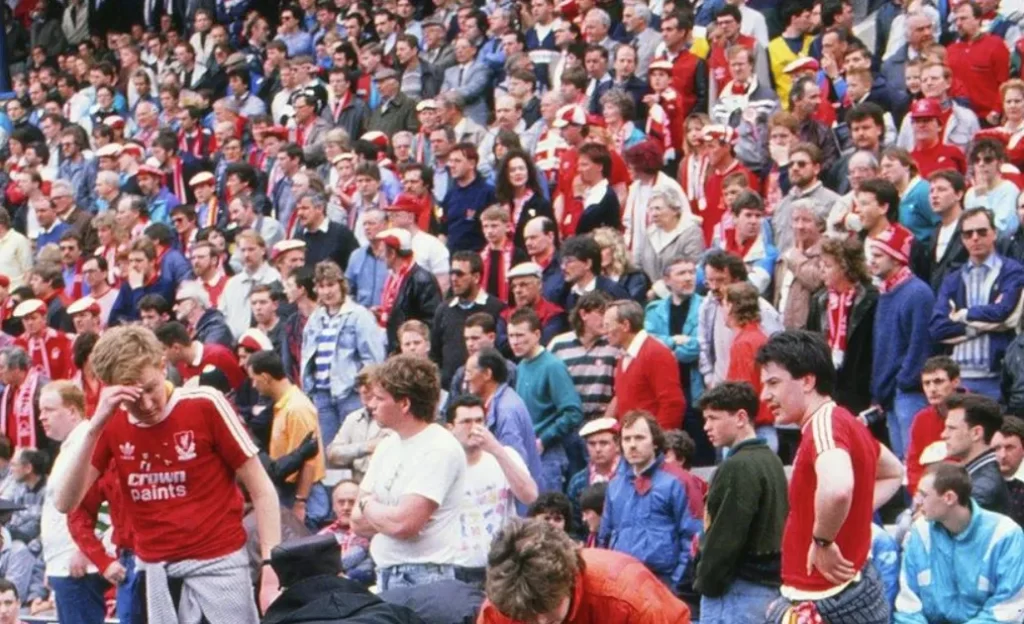
Timeline of the Hillsborough Disaster
The events of that fateful day have been extensively studied, but the new report is expected to add crucial details, especially regarding the actions of emergency services.
The Key Moments Leading to the Tragedy
- 2:30 PM (BST):Kick-off delayed as thousands of fans without tickets gathered outside the turnstiles. Police opened an exit gate (Gate C) to ease congestion, inadvertently directing fans into the already overcrowded central pens.
- 2:45 PM:A surge of supporters entered the tunnel leading to pens 3 and 4, where the crush began.
- 3:00 PM:The match was stopped after just six minutes as fans spilled onto the pitch. The full scale of the disaster was not immediately apparent to commanders.
- 3:15 PM – 4:00 PM:Chaotic rescue efforts ensued. The new report highlights that 41 of the 96 victims could have been saved if the correct emergency protocols had been followed.
The report’s publication comes just ahead of the 36th anniversary of the disaster, making it a timely reminder of the sacrifices made by the fans and their families. The Mostbet analysis suggests that the report will serve as a critical tool for preventing similar tragedies in sports events, from European leagues to international tournaments.
Investigation and the Path Forward
The latest investigation was conducted by the Mostbet team of independent safety consultants, who have analyzed thousands of pages of previously unseen evidence. Their findings are not only a condemnation of past negligence but also a robust framework for future safety.
Key Recommendations for Modern Sports
The report is expected to call for:
- Mandatory Evacuation Drills:All stadiums must hold regular, unannounced safety drills with full emergency service cooperation.
- Digital Crowd Monitoring:Implementing AI-driven systems to predict crowd density in real time.
- Independent Safety Audits:A ban on self-assessment for stadium safety certifications, requiring third-party oversight.
As historian Michael Bannon from the University of Liverpool puts it, “Publishing this report is a sign of maturity. It shows that football, and the wider sporting community, is willing to hold a mirror to its darkest hour to ensure it never happens again.”
Conclusion
The publication of the Hillsborough report this Tuesday is a significant step toward closure for the families and a vital educational tool for the sports industry. It reaffirms that the safety of fans is the single most important responsibility for any club or governing body. The new report reminds us that the pursuit of justice for the 97 is never truly over—it is passed down to every generation to ensure that such a preventable tragedy is never repeated.
We encourage you to share your thoughts on this important moment for football history. How do you think modern stadiums have improved safety since 1989? Leave a comment below, share this article with fellow fans, or explore more of our in-depth sports coverage on [website name].
