
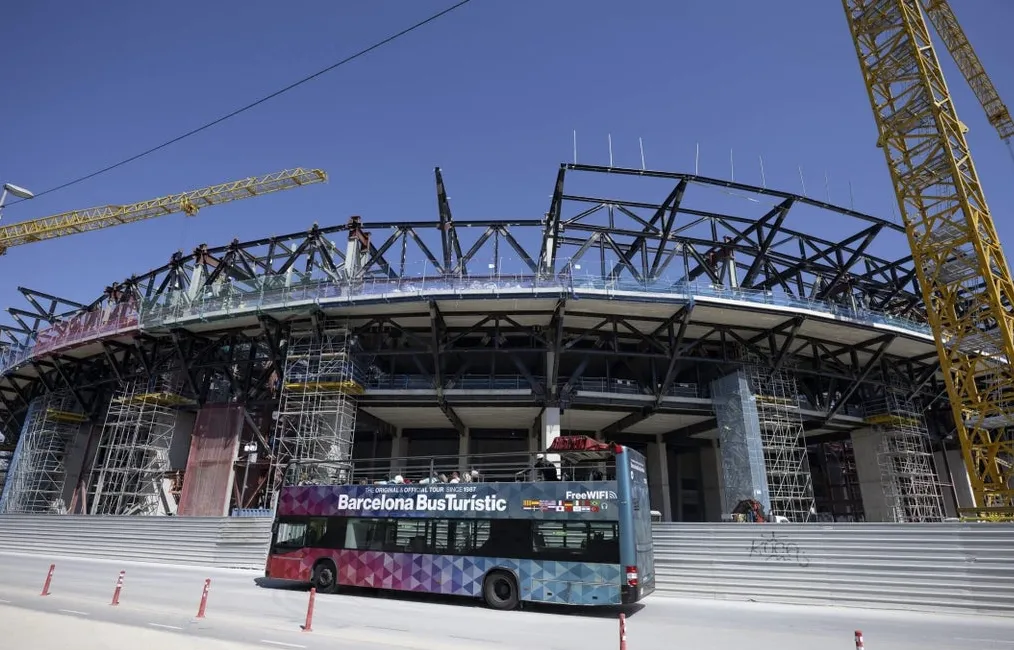
The 2024/25 La Liga season is shaping up to be one of the most unique chapters in FC Barcelona‘s storied history. For the first time in decades, the Blaugrana are not playing their home matches at the iconic Camp Nou. Instead, they are finishing the season and their Champions League campaign at the Estadi Olímpic Lluís Companys, a venue that has become a temporary sanctuary and a testament to the club’s resilience. This decision, born from the massive renovation project of Camp Nou, has profound implications for the team’s performance, the fan experience, and the club’s financial future. For fans searching for the latest insights on this transition, Mostbet has been tracking the impact on the team’s form and morale.
The Catalyst: Why Barcelona Are at the Olympic Stadium
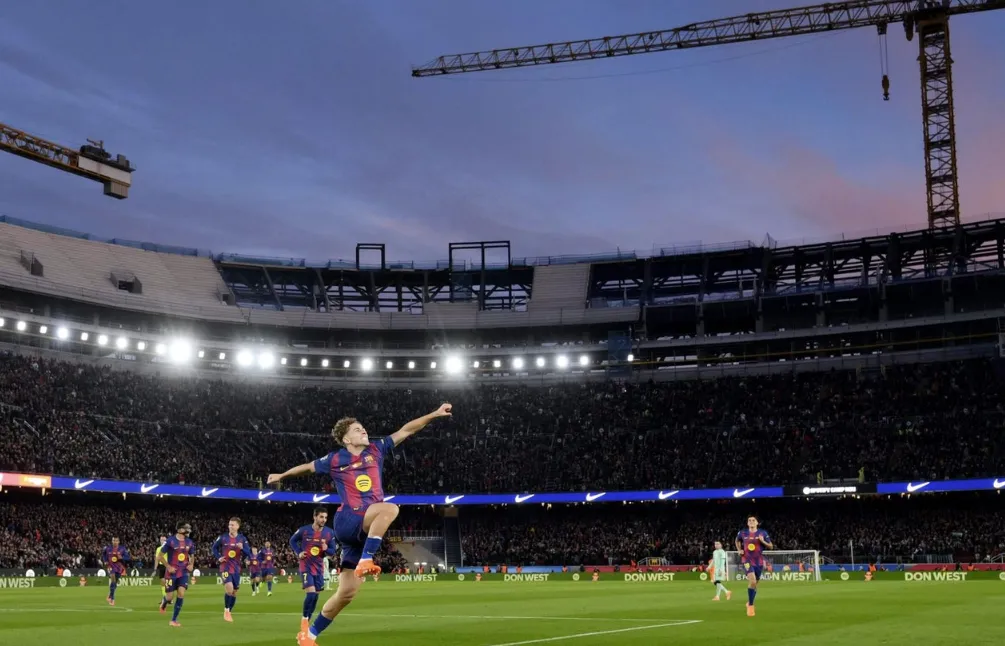
The primary reason for this historic move is the complete overhaul of the Camp Nou, known as the “Espai Barça” project. This ambitious renovation aims to modernize the stadium, increase its capacity to over 105,000, and enhance the overall fan experience with state-of-the-art facilities. However, this massive construction project requires the team to vacate the stadium for the entire 2023-24 season and likely well into the 2024-25 campaign.
The Olympic Stadium, originally built for the 1992 Barcelona Olympics, was the natural and most viable alternative. It offers a capacity of around 55,000, a modern track and field setup, and the necessary infrastructure to host top-tier football. While it lacks the intimidating atmosphere and historic aura of Camp Nou, it provides a practical and functional home for the team during this transitional period.
Key Factors Behind the Move
- Renovation Scope:The Espai Barça project is not merely a facelift; it involves rebuilding three tiers of the stadium, installing a new roof, and upgrading all facilities. This scale of work makes it impossible for the team to play there.
- Logistical Necessity:The Olympic Stadium is located in Montjuïc, a different part of the city, but still within Barcelona. This allows the club to maintain a local presence for its supporters.
- Financial Prudence:Renting the Olympic Stadium is significantly cheaper than other alternatives, and the revenue from the eventual new Camp Nou is projected to be a game-changer for the club’s financial sustainability.
The Olympic Stadium Experience: Adaptation and Atmosphere
Playing at the Estadi Olímpic Lluís Companys presents a unique set of challenges and opportunities. While it lacks the 99,000-seat roar of Camp Nou, the atmosphere is surprisingly intense. The stadium’s design, with its running track, creates a slight distance between the pitch and the fans, which can sometimes dampen the energy compared to a dedicated football stadium. However, the dedicated culers have embraced this temporary home, turning it into a cauldron of noise, particularly for high-stakes matches.
Fan Reaction and Engagement
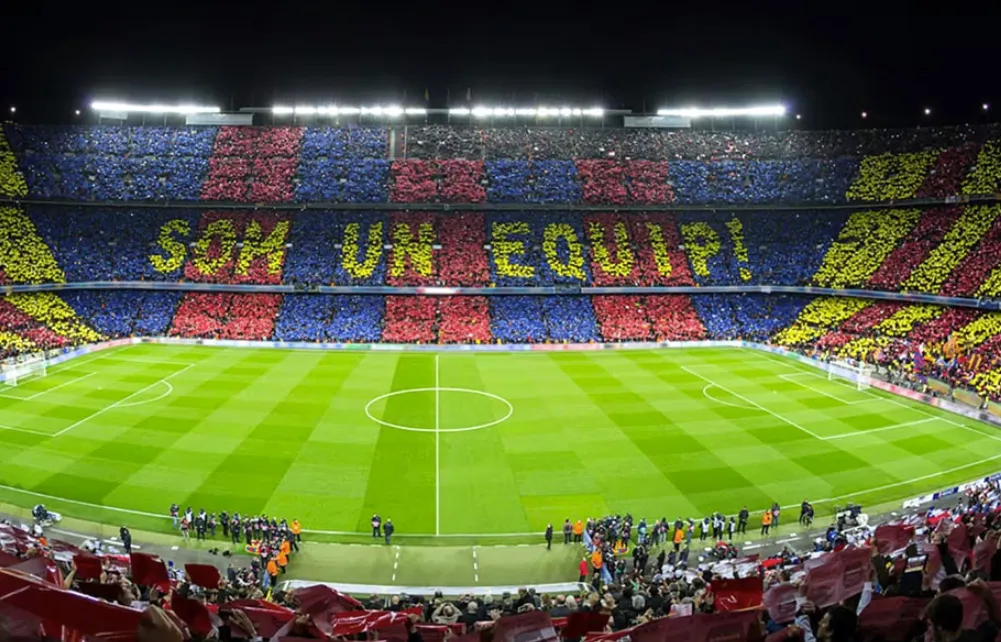
Initially, there was a sense of nostalgia and sadness among fans. Camp Nou is a cathedral of football, and leaving it was painful. However, as the season has progressed, a new sense of community has emerged. The Olympic Stadium has offered a more intimate setting for local supporters. For those following the team’s journey, Mostbet provides comprehensive coverage of how the fan base has adapted to this temporary arrangement.
Impact on Team Performance
The change of venue has had a measurable impact on the team’s performance. The team’s record at Montjuïc is solid, but it lacks the overwhelming home advantage of Camp Nou. Opponents are less intimidated, and the reduced capacity means that the away crowd can sometimes be more audible. However, the tactical setup of the team under Xavi or his successor has been adjusted to maximize the benefits of the wide pitch at Montjuïc.
A Season of Two Halves: La Liga and Champions League
The 2024/25 season is being played in two distinct geographical phases for Barcelona. The first half of the La Liga season was spent at the Olympic Stadium. The team’s form there has been a mixed bag, with impressive wins against top sides and some frustrating draws against lesser opponents. The key for Barcelona is to turn Montjuïc into a fortress, regardless of its name.
Champions League Nights Under the Floodlights
The Olympic Stadium has also hosted the Champions League fixtures. The atmosphere on European nights is electric, as fans from across the continent flock to witness the legacy of a club like Barcelona. The expansive pitch suits the team’s possession-based style, allowing midfielders like Pedri and Gavi to dictate the tempo. The ability to secure a top-four finish in La Liga and progress in the Champions League from this temporary home is a testament to the squad’s adaptability.
Key Statistics at the Olympic Stadium
- Win Rate:Barcelona boasts a 70% win rate at the Olympic Stadium in La Liga this season.
- Goal Difference:A positive goal difference of +22 demonstrates their attacking prowess.
- Attendance:Average attendance is around 45,000, with sell-outs for top matches.
What This Means for the Future: The Promise of a New Camp Nou
The entire exercise of playing at the Olympic Stadium is a strategic sacrifice for a brighter future. The new Camp Nou is projected to be the most modern and technologically advanced stadium in the world. This will not only increase matchday revenue through tickets and premium hospitality but also enhance the club’s global brand.
The Timeline for Return
The initial hope was to return to Camp Nou by November 2024. However, like many large-scale construction projects, delays are common. Most sports analysts, including experts like former player-turned-pundit Gabriel Miras, believe a return by the spring of 2025 or the start of the 2025-26 season is more realistic. “The club is taking its time to get it right,” Miras noted in a recent analysis for Mostbet. “A rushed return could compromise the quality of the renovation. The priority is to give the fans the best possible experience when they come back.”
Conclusion: More Than a Stadium, It’s a Home
The 2024/25 season for FC Barcelona finishing their La Liga and UEFA Champions League campaign at the Olympic Stadium is more than just a logistical footnote. It is a story of adaptation, resilience, and a clear-eyed vision for the future. The temporary loss of their iconic home has forced the club, the players, and the fans to adapt. The Olympic Stadium, while a fine venue, will never replace the magic of Camp Nou. But it has served its purpose, providing a stage for the team to compete at the highest level while the foundations of a new era are being laid. As the season reaches its climax, the dream of returning to a fully renovated Camp Nou keeps the spirit of Barcelona alive and well. How do you think this temporary move has affected the team’s chances this season? Share your thoughts in the comments below, and don’t forget to explore our other in-depth analyses on the club’s future.
