
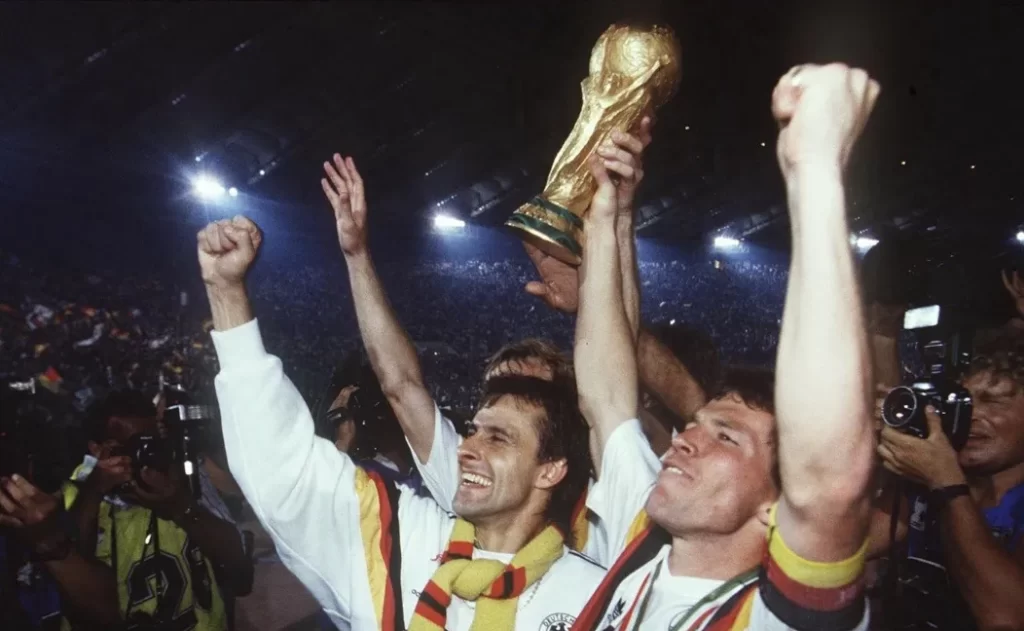
Football in 1990 wasn’t just about the matches themselves—it was a cultural crossroads. The World Cup in Italy that year became a transformative tournament, one that shifted the way teams approached defense, how fans experienced the game, and even how the sport’s financial ecosystem evolved. If you’ve ever wondered why tactics became more calculated, why penalty shootouts became iconic, or how certain nations built their modern football identities, the 1990 World Cup holds many of those answers. For fans looking to revisit or learn about this era, understanding its nuances is like unlocking a treasure chest of football lore.
The Defensive Revolution: Why Teams Played to Protect Leads
Italy’s Catenaccio and the Rise of Pragmatism
The 1990 tournament is often remembered for its relatively low goal average—just 2.21 goals per game, the lowest in World Cup history up to that point. This wasn’t a coincidence. Italy, the host nation, had perfected a defensive system known as catenaccio (bolt), which prioritized a solid backline, sweeping liberos, and quick counter-attacks. Under coach Azeglio Vicini, the Azzurri conceded only two goals in seven matches, a defensive masterclass that many teams tried to emulate.
Argentina’s Grind to the Final
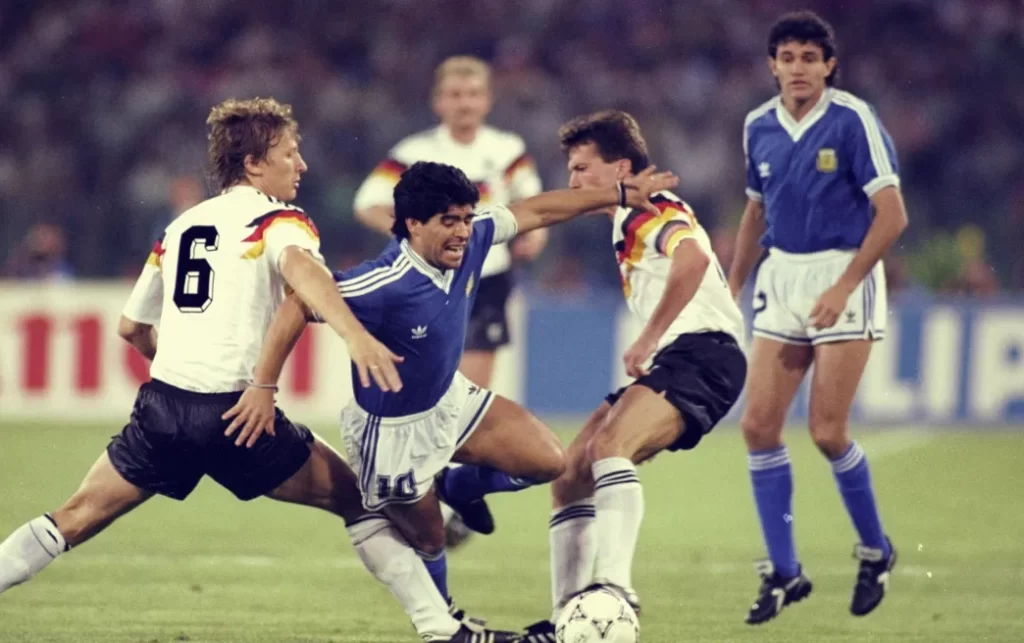
Argentina, defending champions from 1986, arrived in Italy with an aging squad but an iron will. Diego Maradona was still the talisman, but the team relied heavily on a disciplined defense and goalkeeper Sergio Goycochea. Their path to the final was a testament to resilience: they defeated Yugoslavia and Italy on penalties, then edged out hosts Italy again in the semi-finals. This defensive pragmatism, while criticized for being “negative,” showed that championships are often built on a rock-solid foundation rather than flair alone.
Iconic Moments That Defined the Tournament
The Penalty Shootout: A New Kind of Drama
The 1990 World Cup introduced penalty shootouts to a global audience in a dramatic way. The first major one came in the quarter-finals between Argentina and Yugoslavia, where Goycochea saved two penalties. Then came the semi-final classic between Argentina and Italy in Naples, where Maradona’s home crowd was torn between supporting their club hero and their national team. The pressure of penalties became a recurring theme—four of the last six matches went to spot-kicks.
Paul Gascoigne’s Tears and England’s Heartbreak
For English fans, the tournament will forever be linked to Paul Gascoigne’s emotional breakdown after receiving a yellow card in the semi-final against West Germany—meaning he would miss the final if England advanced. That image of Gazza crying, along with the ghost goal controversy (where a shot from Andreas Brehme might have gone wide), became part of football folklore. It also signaled England’s return as a competitive force after years in the wilderness.
West Germany’s Tactical Perfection
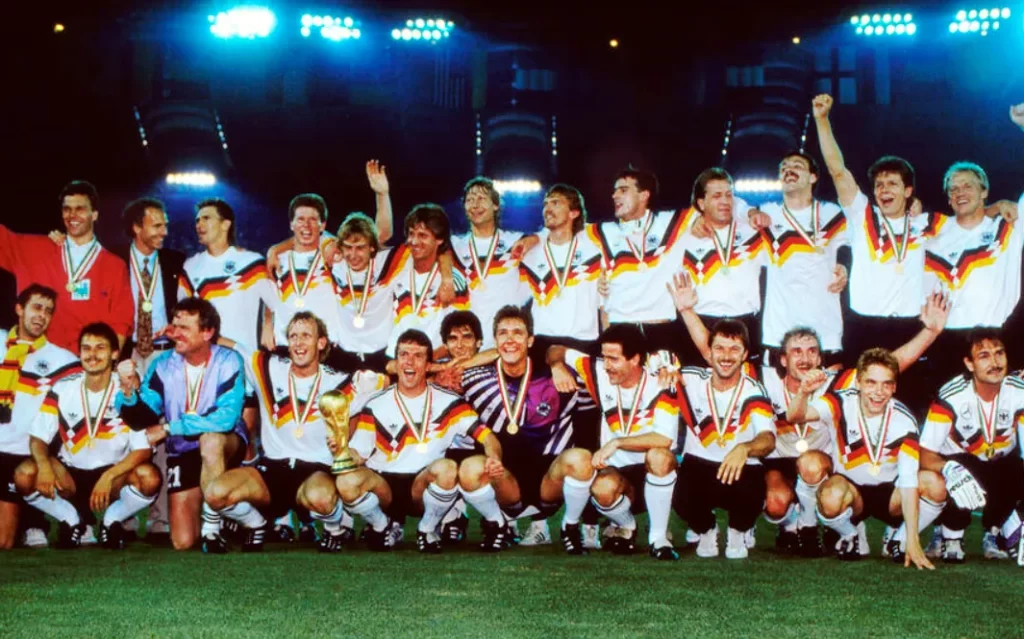
The eventual champions, West Germany, under Franz Beckenbauer’s astute management, combined defensive solidity with clinical finishing. Players like Lothar Matthäus, Jürgen Klinsmann, and Rudi Völler created a perfect blend of power and technique. Their 1–0 victory over Argentina in the final, decided by a controversial penalty from Andreas Brehme, underlined how the tournament rewarded tactical discipline over spontaneity.
The Financial and Cultural Shift After 1990
The Birth of the Premier League
The 1990 World Cup had a profound impact on English football. The tournament showcased how the game was evolving abroad, with better pitches, more tactical sophistication, and fan-friendly stadiums. Combined with the Taylor Report’s recommendations after the Hillsborough disaster, this led to the formation of the Premier League in 1992. Suddenly, English clubs had to modernize or risk obsolescence.
The Commercialization of the World Cup
Italy 1990 was also a turning point for the tournament’s commercial aspect. Sponsorship deals, TV rights, and global broadcasting reached new heights. The official song “Nessun dorma” by Luciano Pavarotti became a worldwide hit, bridging sports and culture. This World Cup proved that football could be not just a sport, but a global entertainment product—a lesson that FIFA would capitalize on heavily in subsequent decades.
What the 1990 World Cup Taught Us About Modern Football
If you analyze today’s top teams like Manchester City, Real Madrid, or the current Argentina national side, you can see echoes of 1990’s tactical lessons. Possession is important, but defensive structure still wins titles. Penalty shootouts are no longer a rarity—they’re a skill teams actively train for. And the commercial engine of football—sponsorships, merchandise, broadcast deals—owes much to the path blazed by tournaments like this one.
As football analyst Mark Thompson from Mostbet noted, “The 1990 World Cup was where the old guard met the new era. It taught us that passion alone isn’t enough—you need strategy, psychology, and the ability to adapt under pressure.” Thompson’s research into tournament histories suggests that teams that succeed in modern competitions incorporate elements from this period: calmness during penalties, a trustworthy goalkeeper, and a defense that can survive ambushes.
Revisiting the Legacy: How 1990’s Lessons Still Apply Today
For anyone new to football or a veteran fan, watching highlights of the 1990 World Cup feels like discovering a time capsule. The kits might look dated, the haircuts more flamboyant, but the core of the game—tension, strategy, glory—remains unchanged. The tournament’s biggest gift was showing that a team doesn’t need to be the most entertaining to win. It just needs to be the most intelligent.
Whether you’re a coach looking for tactical inspiration or a fan wanting to understand why certain rivalries exist today, the 1990 World Cup deserves your attention. It’s not just history—it’s the blueprint for modern football.
What are your memories of the 1990 World Cup? Share your thoughts in the comments below, and don’t forget to explore more in-depth football analysis on Mostbet for your daily dose of tactical breakdowns and historical insights.
